
A More Personalized Approach to Musculoskeletal Care
Chiropractic Care Built Around Movement, Recovery, and Real Life
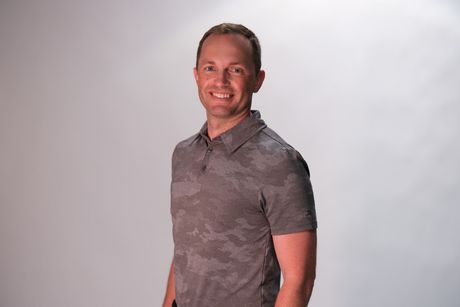
Meet Dr. Ian Libert
Dr. Ian Libert founded Louisville Moves Chiropractic to help people better understand how their bodies move, why pain keeps returning, and what it takes to recover more fully over time. He earned both his Therapeutic Massage degree and Doctor of Chiropractic degree from National University of Health Sciences before practicing in Minnesota and eventually relocating to Louisville in 2016 with his family.
With more than 14 years of experience in chiropractic and massage therapy, Dr. Libert combines hands-on treatment with movement-focused rehabilitation designed around each patient’s individual goals. He has additional certifications in Dry Needling, Myofascial Cupping, Kinesiology Taping, and Instrument Assisted Soft Tissue Manipulation, along with continuing education focused on corrective exercise and functional rehabilitation.
Outside the clinic, Dr. Libert enjoys distance running, hiking, backpacking, gardening, and spending time with his spouse and two children here in Louisville.
What to Expect During the Recovery Process
Step 1: Consultation & Evaluation
Every patient begins with either a Free Consultation or an Initial Evaluation before treatment begins. During this visit, Dr. Libert reviews your health history, movement limitations, treatment goals, and functional concerns while performing a comprehensive physical evaluation.
Step 2: Understanding the Findings
After the evaluation, you’ll receive a clear explanation of what may be contributing to your symptoms, movement restrictions, or recurring discomfort. Treatment recommendations are discussed collaboratively so your recovery plan feels realistic, personalized, and aligned with your goals.
Phase One — Mobility & Tissue Recovery
The first phase of care typically focuses on improving joint mobility, reducing soft tissue restrictions, and calming irritation patterns within the body. This phase commonly includes chiropractic care, dry needling, soft tissue therapy, and home care recommendations over approximately 4–8 visits.
Phase Two — Functional Rehabilitation
As movement improves, treatment begins shifting toward strengthening, muscle facilitation, movement control, and functional rehabilitation. The goal is helping your body move more efficiently so symptoms are less likely to repeatedly return.