
A hair-thin needle. A brief twitch. And the release of a knot you may have been carrying for years — this is dry needling, and it works through a mechanism that no stretch, foam roller, or massage technique can replicate.
Dry Needling in Louisville for Muscle Knots, Chronic Tension, and Injuries That Won't Let Go
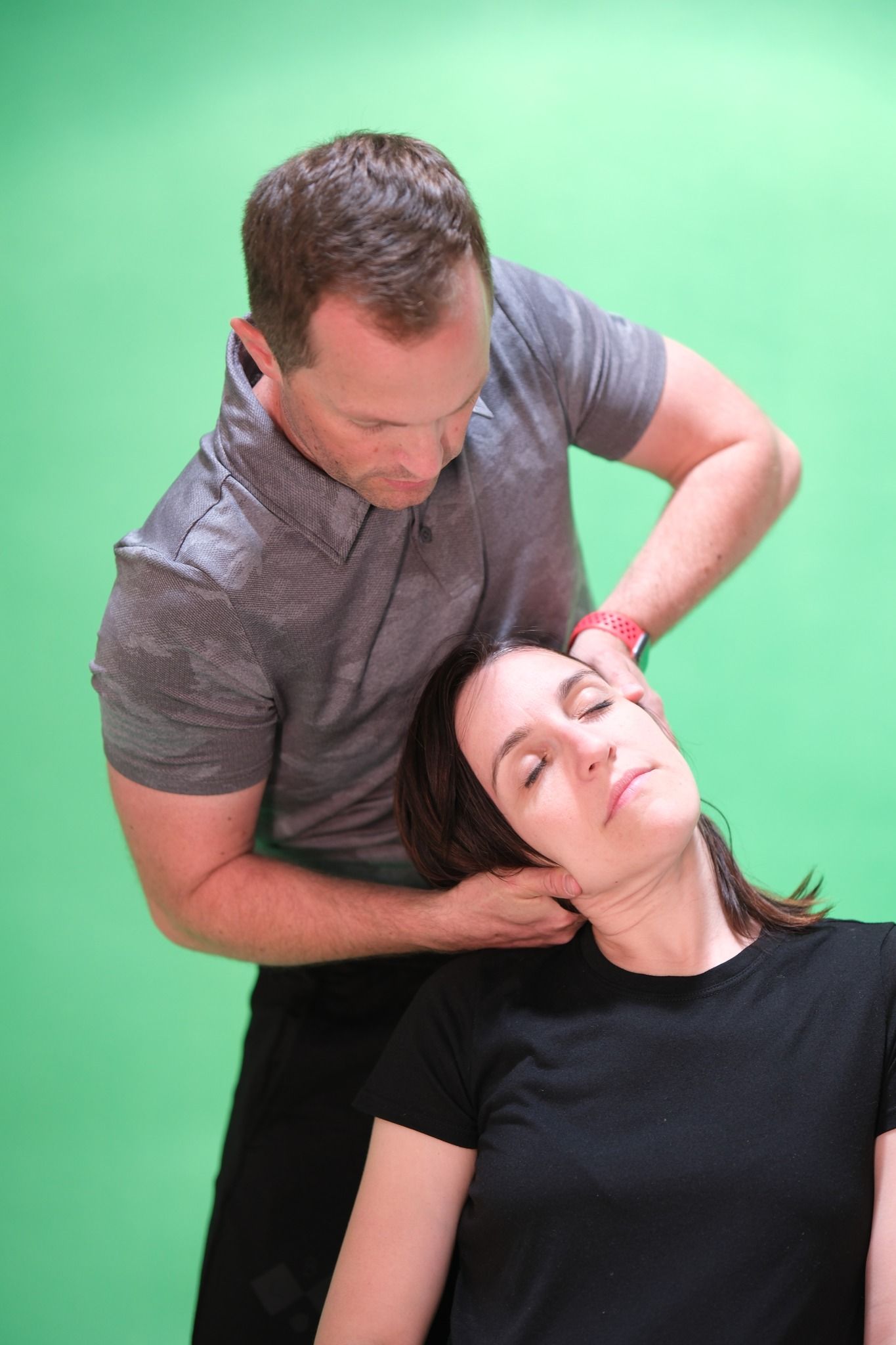
Dry needling is the insertion of a sterile, filiform needle directly into a trigger point — a knotted cluster of muscle fibers that has locked into a contracted state and refused to let go. The needle reaches the contractile unit of the muscle itself, triggering an involuntary twitch response that resets the tissue at a neurological level and initiates a healing cascade.
It is not acupuncture. Acupuncture is rooted in traditional Chinese medicine and follows meridian theory. Dry needling follows no meridian pathways and has no connection to that framework. It is a purely musculoskeletal intervention — a clinical tool for treating muscle dysfunction, pain, and restricted movement. The needles look similar. The mechanism, the training, and the purpose are entirely different.
The Conditions That Respond Best to Dry Needling
Dry needling is particularly effective when the source of pain is a trigger point — a tight, hypersensitive band in the muscle that refers pain, limits range of motion, or simply won't release no matter what you throw at it. If you've tried stretching, massage, and physical therapy without lasting relief, there's a good chance a trigger point is what's been holding you back.
Conditions that respond well to trigger point dry needling include:
- Chronic neck and shoulder tension
- Low back spasms and lumbar tightness
- Tension headaches originating from cervical or upper trapezius trigger points
- Tennis elbow and forearm tightness
- Hip flexor tightness and groin restrictions
- IT band syndrome and lateral knee pain
- Plantar fasciitis and foot arch tension
- Rotator cuff irritation and shoulder impingement
If you don't see your specific issue listed, reach out. If there's a trigger point involved, dry needling is likely part of the answer.
What Dry Needling Actually Is (and What It Isn't)

Dry needling works well for a wide range of patients — from desk workers with years of accumulated neck and shoulder tension to runners and athletes dealing with hip, knee, or calf issues that keep interrupting training. If you have a specific trigger point that has been identified by another provider and hasn't responded to treatment, that's a strong indicator that dry needling may be the missing piece.
A few things to know before booking:
- Dry needling is not appropriate during pregnancy or over areas with active infection, open wounds, or compromised skin integrity.
- Patients with a needle phobia or significant anxiety around needles are encouraged to mention this before the session — the approach can be adjusted and the experience explained in detail beforehand.
- Blood thinners and certain medications may require a brief conversation before proceeding. When in doubt, mention it at your consultation.
- There is no minimum age requirement, but pediatric dry needling is assessed on a case-by-case basis.
If you're unsure whether you're a candidate, the free consultation is the right first step.
I've been called Louisville's dry needling guy — not because I named myself that, but because patients who've spent months or years trying to resolve a stubborn knot or recurring injury have found their way here and left with results they didn't expect to get. That reputation is the product of 14 years of combined chiropractic and massage therapy experience and a clinical focus on understanding exactly why a muscle isn't releasing.
Deep trigger points that have been present for months or years don't respond to external pressure the way fresh, acute muscle tension does. Stretching moves around them. Foam rolling compresses them without reaching the contractile fibers. Even skilled massage can only go so deep. Intramuscular stimulation — needle directly into the trigger point — reaches the tissue in a way nothing external can. When that's what's been missing, one well-placed needle can accomplish more in thirty seconds than months of other approaches.
If you've been told your pain is just something you have to manage, I'd push back on that before accepting it.
Who Is a Good Candidate for Dry Needling?
Dry Needling — Frequently Asked Questions

Is dry needling the same as acupuncture?
No. Dry needling and acupuncture both use thin filiform needles, but the similarity ends there. Acupuncture is grounded in traditional Chinese medicine and follows meridian theory. Dry needling is a musculoskeletal intervention based on anatomy and neuroscience — needles are placed into trigger points to produce a muscle release, with no reference to meridian pathways or energy systems.Who does dry needling in Louisville, KY for muscle pain?
Louisville Moves Chiropractic on the Barrett Ave corridor in the Highlands is one of the few Louisville providers offering certified dry needling as a core clinical service. Ian has built a specific reputation for treating chronic muscle knots and sports injuries with dry needling — often for patients who've already tried other approaches without lasting relief.Does dry needling hurt?
Most patients are surprised by how manageable it is. The needle is extremely thin — far narrower than any injection needle — and passes through the skin with minimal sensation. The most notable feeling is the local twitch response when the needle contacts a trigger point: a brief involuntary muscle contraction that most patients describe as a deep ache or quick cramp lasting only a second or two. Post-session soreness for 12–24 hours is common and resolves on its own.How many dry needling sessions will I need?
It depends on how long the trigger point has been present and how the tissue responds. Acute issues often respond in one to three sessions. Chronic trigger points — knots that have been there for months or years — typically require a short series of treatments alongside complementary soft tissue and rehab work. I'll give you a realistic picture of what to expect at your initial evaluation.Can dry needling help with tension headaches?
Yes, and it's one of the more consistent results I see in practice. Many tension headaches originate from trigger points in the upper trapezius, suboccipital muscles, and cervical spine. Dry needling those trigger points directly — combined with cervical adjustments and soft tissue work — often reduces both the frequency and intensity of headaches significantly, including in patients who've been dealing with them for years.