
Passive treatment reduces pain. Functional rehabilitation is what can help keep it from returning. At Louisville Moves Chiropractic, corrective exercise and movement retraining are built into your care.
Why Your Pain Keeps Coming Back — and How Functional Rehab Fixes the Pattern
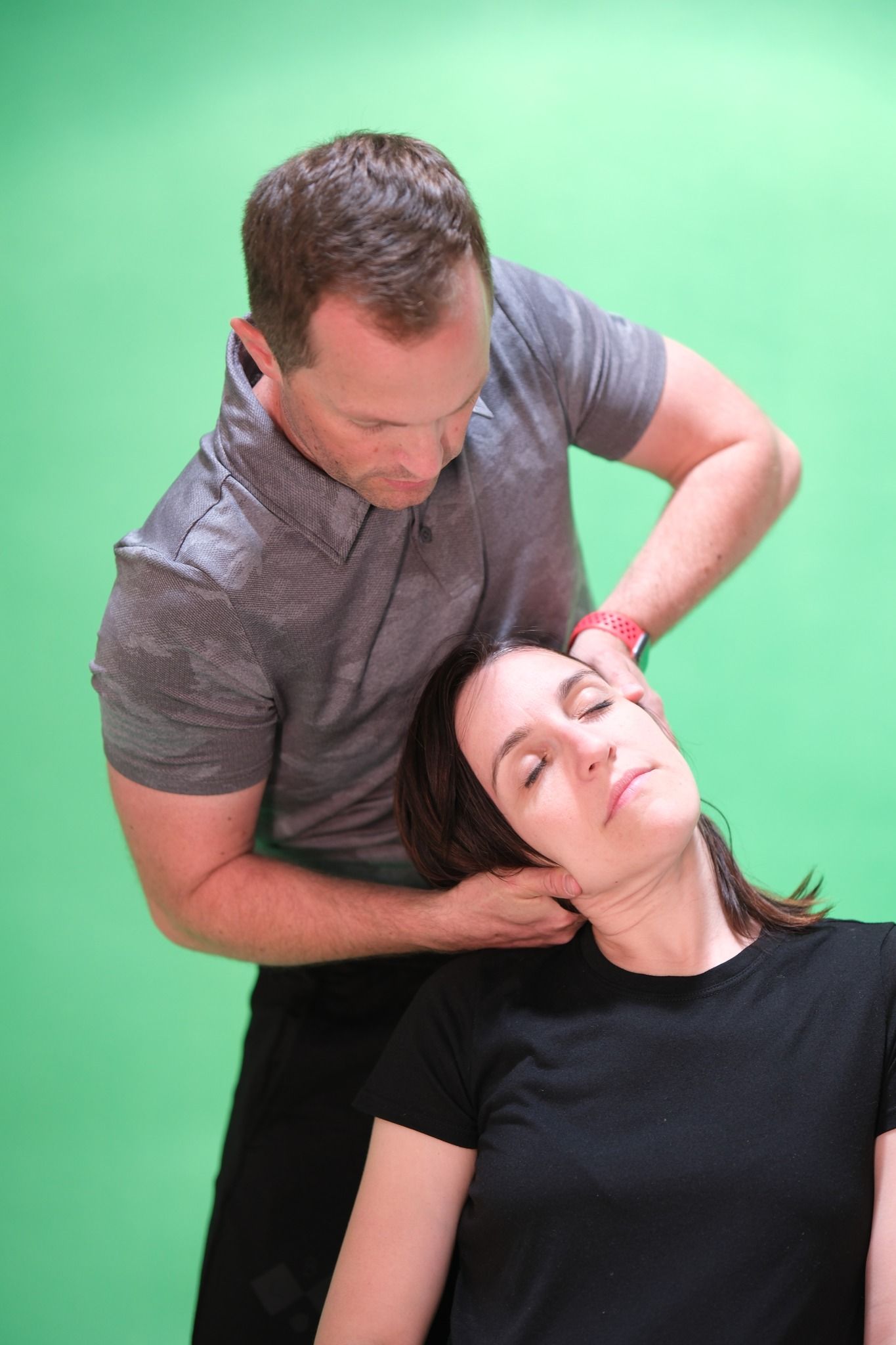
Functional rehabilitation is the active exercise and movement component of chiropractic care. Where adjustments restore joint position and soft-tissue work releases muscle restriction, rehab addresses the deeper problem: the muscular weaknesses, movement dysfunctions, and stability gaps that allow those restrictions to return in the first place.
When the muscles around a joint can't support it through a full range of motion, the joint drifts back to where it was. That's not a failure of the adjustment — it's what happens when the muscular system hasn't been retrained to hold the correction. Functional rehabilitation is what closes that gap.
I'm trained in functional rehabilitation and expanded the Louisville Moves clinic to 900 square feet specifically to accommodate on-site, exercise-based work. This isn't a hallway with a resistance band. It's a dedicated rehab space designed for the kind of progressive, active care that makes improvement stick.
Why Passive Care Alone Has Limits
Chiropractic adjustments, soft-tissue therapy, and dry needling are powerful tools. They reduce pain, restore mobility, and break down tissue restriction that's been building for months or years. But they are passive interventions — meaning your body receives the treatment rather than actively participating in it.
That distinction matters. Pain that originates from a faulty movement pattern, chronic postural strain, or muscular imbalance will return if the underlying pattern isn't corrected. Passive care addresses the symptoms of that pattern. Functional rehab corrects the pattern itself.
This is why I treat functional rehabilitation as a required phase of care — not an optional add-on for patients who want to go the extra mile. If your goal is lasting improvement rather than temporary relief, the exercise component is part of how we get there.
What Functional Rehabilitation Actually Is
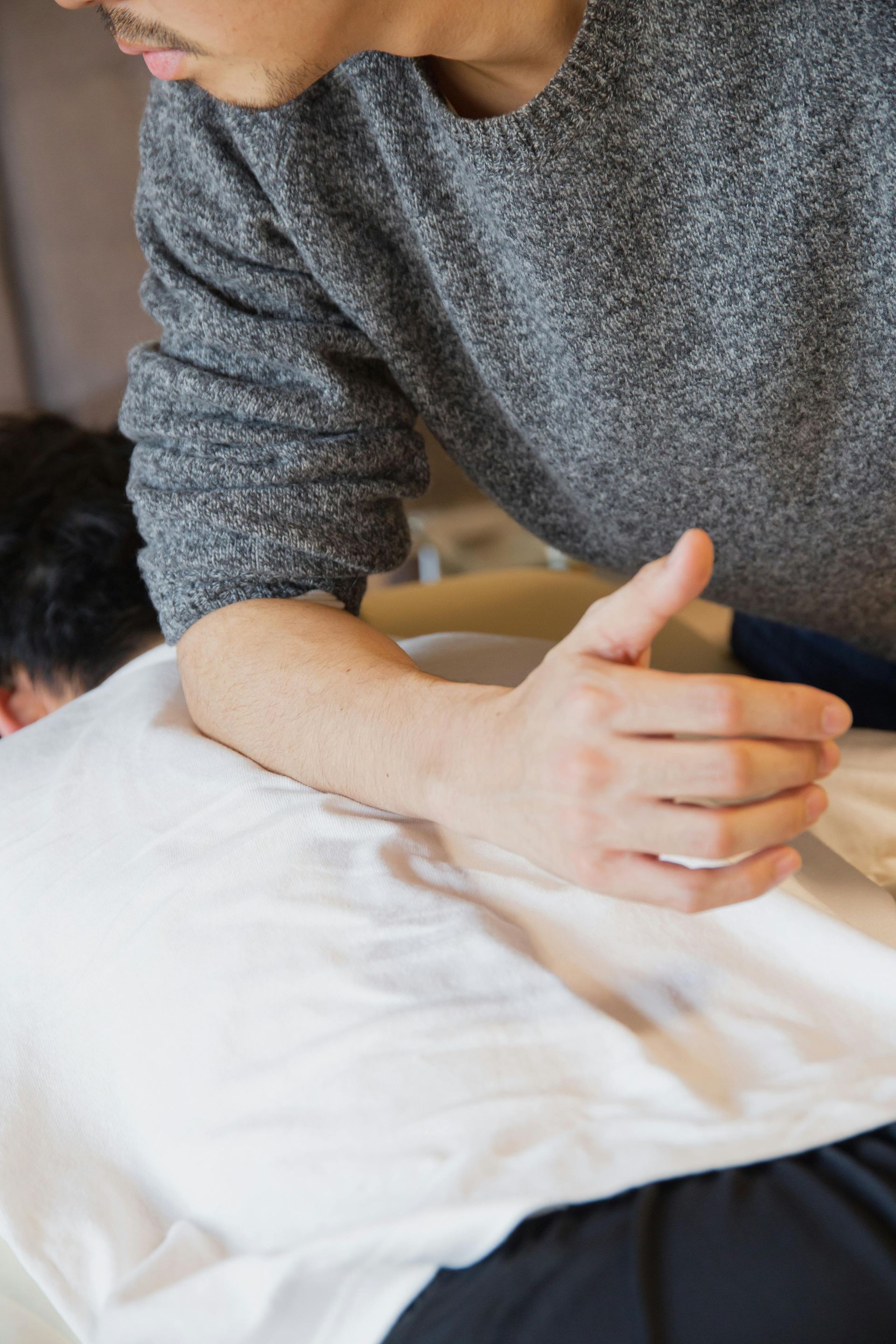
Functional rehab at Louisville Moves is not a training program. It's not boot camp. And it's not designed to push you faster than your body is ready to handle.
I rebuild from where you actually are right now — not from where you were before the injury, and not from some idealized baseline. For patients who feel weak, unstable, or genuinely afraid to move normally after an injury, that graduated approach matters. The goal in the early phases isn't performance. It's restoring confidence through controlled, progressive movement that your nervous system can trust.
As your stability and strength improve, the program evolves. What starts as basic motor control work can progress toward sport-specific movement, return-to-activity preparation, or performance-level rehab for runners, pickleball players, cyclists, and other active adults who want to get back to doing what they love — and stay there.
At most practices, chiropractic and physical therapy are separate disciplines requiring separate appointments, separate providers, and often separate insurance authorizations. Patients who need both end up coordinating between two offices, paying twice, and hoping the two providers are working toward the same goal.
At Louisville Moves, functional rehabilitation is integrated into your treatment session. The adjustment, soft-tissue work, and corrective exercise guidance happen in the same 30–60 minute appointment — with one provider who understands how all three interact. Patients who have been told by another provider that they "need PT" often find that this integrated approach addresses the same clinical need without the added time and cost.
Therapeutic exercise Louisville chiropractors provide is typically limited to brief, generic instruction. What I offer is specific to what your movement assessment revealed — targeted, progressive, and adjusted as your capacity improves.
Built for Patients Who Are Ready to Move Again
Frequently Asked Questions About Functional Rehabilitation

Does a chiropractor do rehab exercises in Louisville?
Yes — and at Louisville Moves, corrective exercise is a core part of how I treat patients, not a service bolted on at the end. Functional rehabilitation sits within the chiropractic scope of practice, and I'm specifically trained in it. Your program is built from your movement assessment and progresses based on how your body responds.How is functional rehab different from physical therapy?
Physical therapy and chiropractic rehab overlap significantly in their exercise-based methods. The difference at Louisville Moves is integration: your adjustment, soft-tissue work, and corrective exercise happen in the same appointment with the same provider. There's no coordination between offices, no duplicate intake, and no gap between what one provider knows and what another is doing.How long does a functional rehabilitation program take?
It depends on your starting point, your goals, and how consistently you complete the home exercise component. Most patients see meaningful improvement in movement quality within four to six weeks of consistent care. Some conditions require longer programs, particularly when compensatory patterns have been present for years. I'll give you an honest timeline after your evaluation.Will I have to do exercises at home, or is everything done in the clinic?
Both. In-clinic work lets me watch your movement, correct your form, and progress the program based on what I see in real time. Home exercises build the repetition and habit that produces lasting change. The home program is designed to be manageable — not a second job — and I'll make sure you understand exactly how to perform each movement before you leave.I've had chiropractic care before and my pain always comes back. Will rehab actually make a difference?
Pain recurrence after chiropractic care is common when treatment addresses symptoms but not the movement dysfunction causing them. If adjustments and soft-tissue work have helped you temporarily but the relief doesn't hold, that's a strong signal that the muscular and movement component hasn't been addressed. Functional rehab is specifically designed to close that gap — it's what converts temporary improvement into a lasting result.