
Cupping therapy and kinesiology taping are two of the most effective recovery tools I use — and two of the least understood. If you've seen the circular marks on an Olympic swimmer's back or the colorful tape on a marathon runner's knee and wondered what it actually does, here's the honest answer: both techniques extend the work done in a session, reduce recovery time, and address soft-tissue problems that hands-on therapy alone doesn't always reach. I'm certified in both, and I integrate them into treatment at Louisville Moves Chiropractic because they produce results — not because they look interesting on social media.
Cupping Therapy and Kinesiology Taping in Louisville, KY
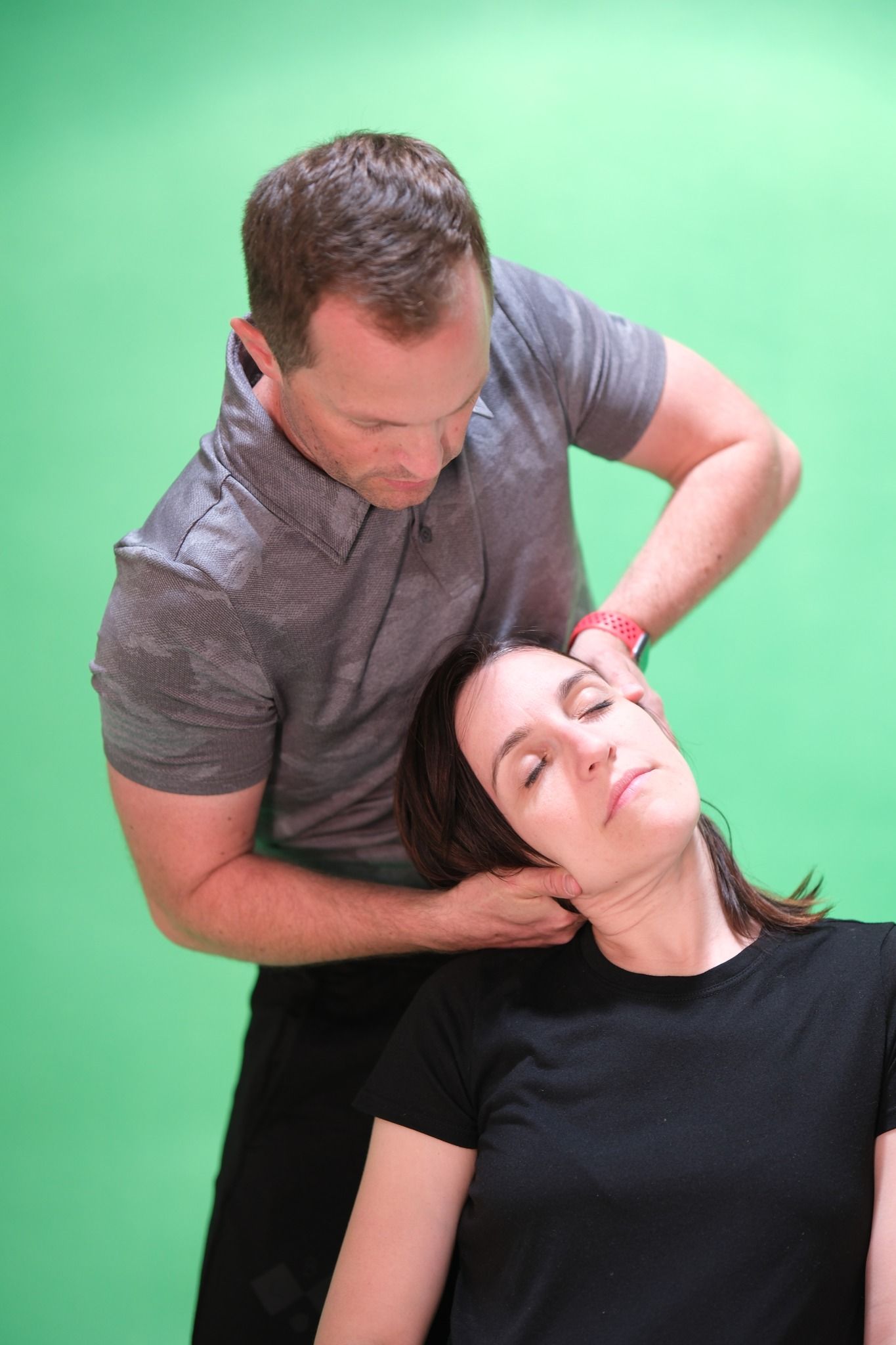
Cupping uses silicone cups placed on the skin to create negative pressure — a gentle suction that lifts the underlying soft tissue rather than compressing it. That lifting effect increases local blood flow, loosens fascial adhesions, and draws stagnant fluid toward the surface where the body can clear it. For patients dealing with chronic muscle tightness, restricted fascia, or areas that haven't responded to compression-based soft tissue work, cupping reaches a layer of tissue that standard massage and manual therapy can't access the same way.
I use silicone cups calibrated to patient comfort. This is not the extreme suction you've seen in viral videos. Most patients describe the sensation as a deep decompression — noticeable pressure, not pain. If you're new to cupping, we start conservative and adjust based on how your tissue responds.
About Those Circular Marks
The circular discoloration cupping leaves behind is one of the first things new patients ask about, and it's worth addressing directly. Those marks are not bruises. A bruise results from blunt trauma that ruptures blood vessels. Cupping marks appear because suction draws blood and metabolic byproducts toward the surface of the skin — a process called myofascial decompression. The tissue itself is not damaged.
The color and duration of the marks vary by patient and by how much stagnation was present in that area. Darker marks typically indicate areas of greater restriction or reduced circulation. They are superficial, they don't hurt to the touch, and they fade within a few days. Most patients find them far less dramatic in person than they expected from photos.
What Cupping Therapy Actually Does to Your Tissue
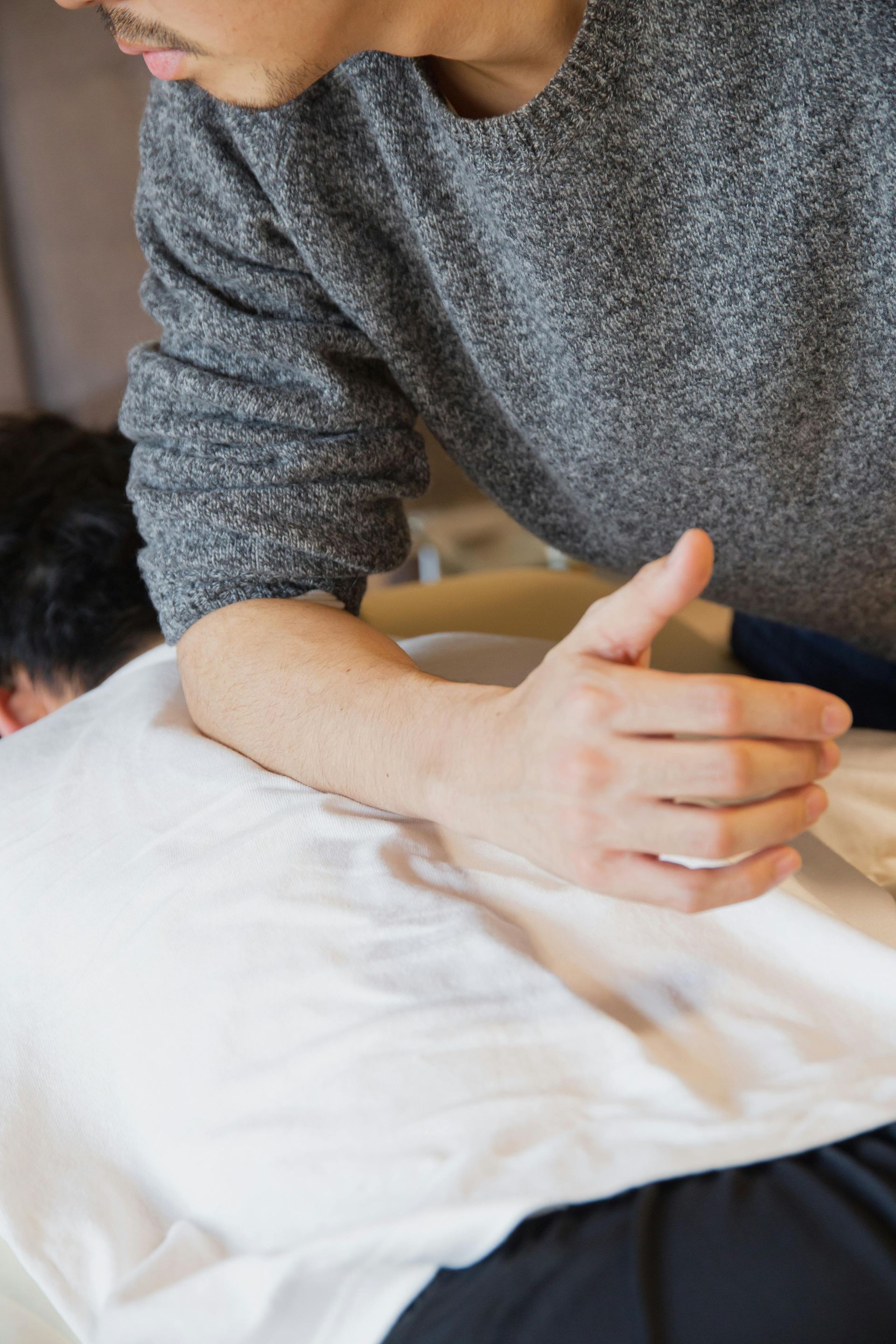
These techniques show up consistently in the treatment plans of runners, cyclists, pickleball players, and desk workers — people whose bodies absorb repetitive stress and whose soft tissue tends to accumulate restriction over time. Cupping is particularly effective for:
- Chronic upper trap and neck tightness that compression-based work hasn't resolved
- IT band and hip flexor restriction in runners and cyclists
- Mid-back and thoracic fascial restrictions in people who sit for long hours
- Areas of recurring tightness that reset temporarily but keep coming back
Kinesiology taping is most useful when a patient needs support and proprioceptive feedback between visits — after an acute strain, during a return to sport, or when postural retraining is part of the treatment plan and the body needs a reminder to hold the new pattern.
Cupping and kinesiology taping are adjuncts to primary treatment, not standalone services. You won't come in for a cupping appointment the way you might book a standalone massage. These tools are integrated into a complete session alongside chiropractic adjustments, soft tissue therapy, and functional rehabilitation based on what your body needs that day.
Cupping typically precedes or follows manual soft tissue work — loosening restricted fascia before deeper work begins, or addressing residual tension after. Taping comes at the end of the session to reinforce what was accomplished and extend the benefit between visits. The sequence is intentional. Everything in a session at Louisville Moves Chiropractic is designed to build on itself.
Who Benefits Most From Cupping and Kinesiology Taping
Frequently Asked Questions About Cupping and Kinesiology Taping

Does cupping hurt?
Most patients describe cupping as a deep pressure sensation — noticeable, but not painful. I use silicone cups and adjust suction level based on your comfort and tissue response. If you're new to cupping, we start conservatively. The goal is therapeutic decompression, not discomfort.How long do the cupping marks last?
Cupping marks typically fade within two to five days. The color reflects how much stagnation or restriction was present in that area — darker marks usually indicate areas of greater tension or reduced circulation. They are not bruises and do not hurt to the touch.Can I shower or exercise after a cupping session?
Yes. There are no significant restrictions after cupping. Some patients notice mild sensitivity in the treated area for a day or two, which is normal. I'll give you specific guidance based on what was treated and what activity you're returning to.How long does kinesiology tape stay on?
RockTape is designed to stay on for three to five days through normal activity, including showering and light sweating. Edges may begin to lift with heavy perspiration or friction, but the therapeutic benefit continues as long as the tape maintains contact with the skin.Is cupping therapy evidence-based, or is it mostly hype?
Cupping has a legitimate place in evidence-informed sports medicine and rehabilitation practice. It's used by physical therapists, orthopedic specialists, and athletic training staff at the professional and collegiate levels. The mechanism — myofascial decompression through negative pressure — is well understood. I use it because it produces measurable improvements in tissue mobility and patient outcomes, not because it photographs well.