
Most chronic muscle tension doesn't respond to foam rolling or stretching because those tools can't reach the deeper tissue restrictions driving your pain. I use myofascial release, trigger point therapy, and instrument-assisted scraping to target the specific structures causing dysfunction — not just the surface layer that's been irritated by them. My background as a licensed massage therapist, combined with 14+ years of clinical experience, means my soft-tissue diagnosis and treatment goes significantly beyond what standard chiropractic training covers. This is targeted treatment with a measurable result.
Deep Muscle Work That Actually Gets to the Problem
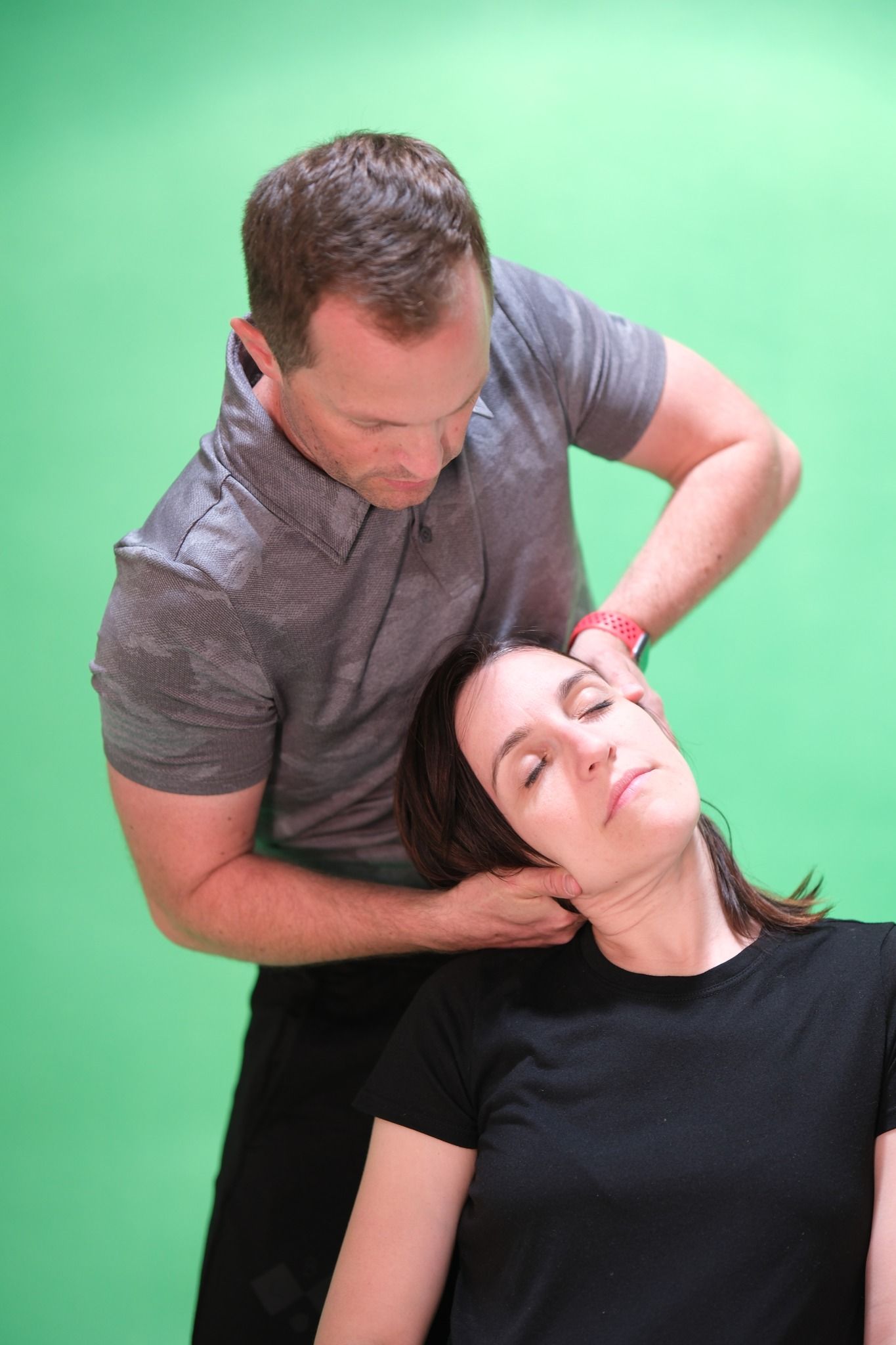
Soft tissue therapy in Louisville gets searched by people who've already tried the obvious things and haven't gotten lasting relief. The conditions that respond best to this work share a common thread: restricted, damaged, or chronically overloaded tissue that isn't healing on its own.
This approach is well-suited for:
- Chronic muscle knots and tension that return no matter how much you stretch
- IT band syndrome, tendinopathy, and other overuse injuries common in runners and cyclists
- Scar tissue from past injuries or surgeries that has never fully released
- Post-surgical stiffness limiting your range of motion
- Postural strain patterns from long hours at a desk
- General movement restrictions that don't have a clear structural cause
Three Techniques, Each With a Specific Job
I use three primary manual techniques depending on what the tissue needs. Understanding the difference helps you know what to expect — and why each one produces a different kind of result.
Myofascial Release
Fascia is the connective tissue that wraps around every muscle, tendon, and joint in your body. When it becomes restricted — from injury, overuse, or chronic tension — it limits movement and generates pain that often feels diffuse and hard to pinpoint. Myofascial release uses sustained, targeted pressure, often with passive or active movement, to work through those restrictions and restore normal tissue mobility. Adding movement with overpressure to targeted tissue can help to more effectively mobilize the tissue.
Trigger Point Therapy
A trigger point is a knotted band of muscle fiber that doesn't release on its own. These are the spots that hurt when you press on them and often refer pain to a different area entirely. Trigger point therapy applies direct, focused pressure to cause an involuntary release in the contracted fibers. This is the work foam rolling approximates but can't fully replicate — the precision required to find and hold the exact point of dysfunction takes trained hands, not a cylinder of foam.
Instrument-Assisted Scraping (IASTM)
IASTM — instrument-assisted soft tissue mobilization, sometimes called Graston-style technique — uses specialized stainless steel tools to create controlled friction along muscle and fascial planes. That friction stimulates blood flow to the area, disrupts adhesions, and initiates the tissue remodeling process. It's particularly effective for scar tissue from old injuries that have never fully resolved, and for tendinopathies where the tissue has become disorganized over time. The tools allow me to detect and treat restrictions that hands alone can't always access.
What Soft Tissue Therapy Actually Treats
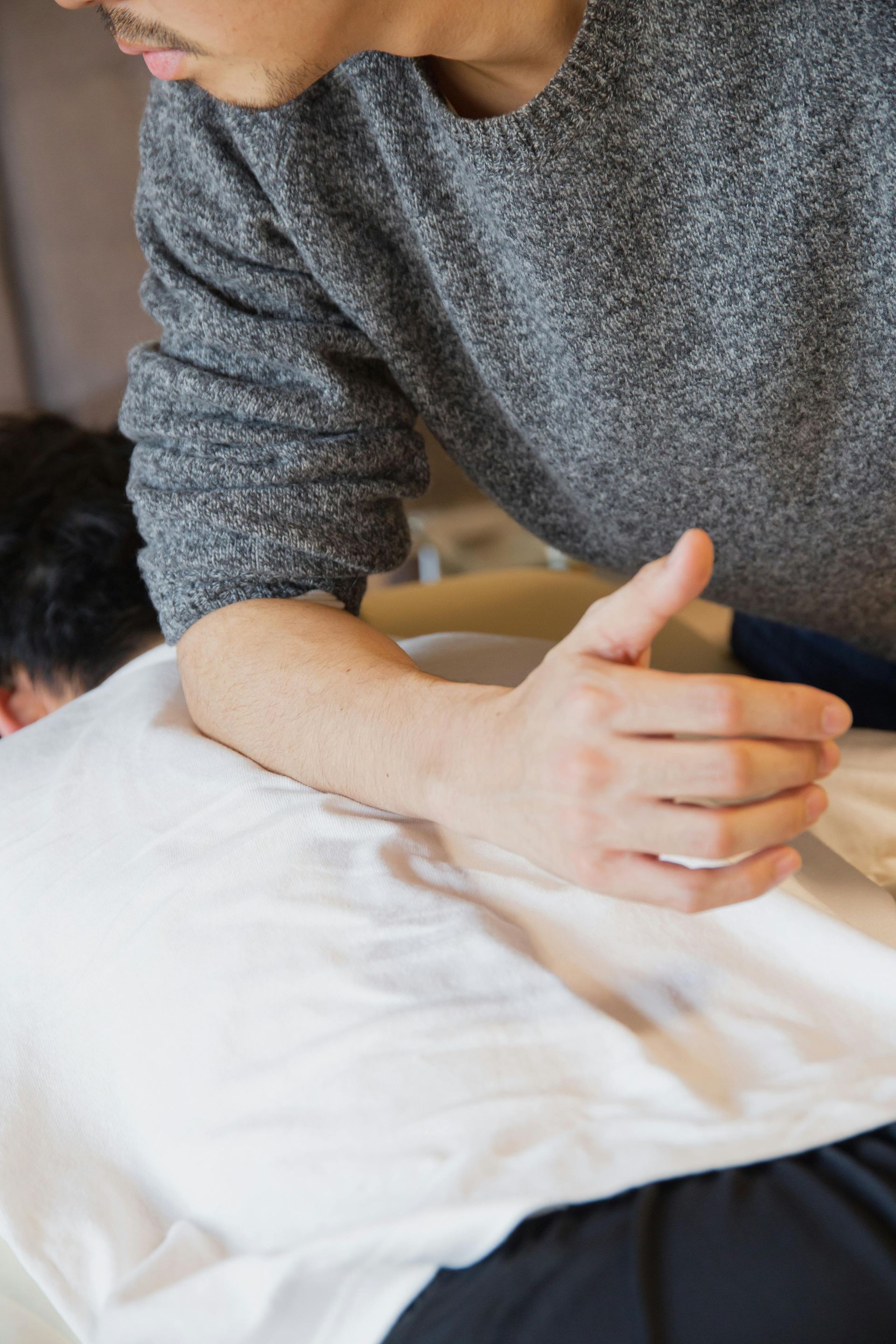
Poorly healed scar tissue doesn't just sit quietly in the background. It can create fascial restrictions that alter movement patterns, unevenly load adjacent structures, and generate pain long after the original injury has resolved. That nagging spot from a sprain three years ago, the hip that's never moved quite right since your surgery — these aren't just in your head, and they may not be permanent.
IASTM is specifically designed to break down and remodel disorganized scar tissue. The controlled friction disrupts the adhesion, stimulates fresh blood flow, and creates the conditions for proper tissue remodeling. Combined with functional rehabilitation to reinforce new movement patterns, this is how old injuries get addressed properly — not managed indefinitely.
Soft tissue work is not a massage in the traditional sense. Myofascial release and trigger point therapy involve sustained, sometimes intense pressure on restricted tissue. IASTM can cause temporary redness or mild soreness in the treated area — this is a normal inflammatory response that signals the tissue remodeling process has started, not a sign of damage.
I calibrate pressure throughout every session and communicate as we go. If something is too intense, we adjust. If a technique isn't producing the response we're looking for, we change course. The goal is effective treatment, not tolerance testing.
Most patients notice a meaningful shift in tissue quality and range of motion within the first few sessions. Some soreness the day after is common, especially following IASTM — it typically resolves within 24 to 48 hours and is followed by noticeable improvement.
Old Injuries Don't Have to Stay Stuck
Common Questions About Soft Tissue Therapy in Louisville

What is soft tissue mobilization at a chiropractor in Louisville?
Soft tissue mobilization refers to manual techniques — including myofascial release, trigger point therapy, and instrument-assisted scraping — used to release restrictions in muscles, tendons, and fascia. At Louisville Moves, these techniques are delivered by a chiropractor with licensed massage therapy training, which means the diagnosis and treatment depth goes beyond what most chiropractic offices offer.Is soft tissue therapy the same as a deep tissue massage?
They share some overlap in technique, but the intent and application are different. Deep tissue massage focuses on general relaxation of deeper muscle layers. Soft tissue therapy in a clinical setting is diagnosis-driven — I'm identifying specific structures causing dysfunction and targeting them with precision. The outcome is measured in restored range of motion and reduced pain, not how you feel on the table.How many sessions does soft tissue therapy take to work?
Most patients notice a meaningful shift in tissue quality and range of motion within the first two to four sessions. Chronic conditions — long-standing scar tissue, deeply embedded trigger points, or overuse injuries — typically require more time to fully resolve. I'll give you an honest assessment of what to expect after your initial evaluation.Does IASTM (instrument-assisted scraping) hurt?
IASTM involves controlled friction against the skin and underlying tissue, which can feel intense in areas with significant restriction or scar tissue buildup. Temporary redness and mild soreness after treatment are normal and expected — they indicate the tissue remodeling process has been activated. I adjust pressure throughout the session based on your feedback and tolerance.Can soft tissue therapy help with myofascial release for IT band syndrome or tendinopathy?
Yes — overuse injuries like IT band syndrome and tendinopathy respond well to a combination of myofascial release and IASTM. These conditions involve tissue that has become restricted, inflamed, or disorganized over time. Manual therapy addresses the tissue directly, while functional rehabilitation helps correct the movement patterns that contributed to the injury in the first place.