
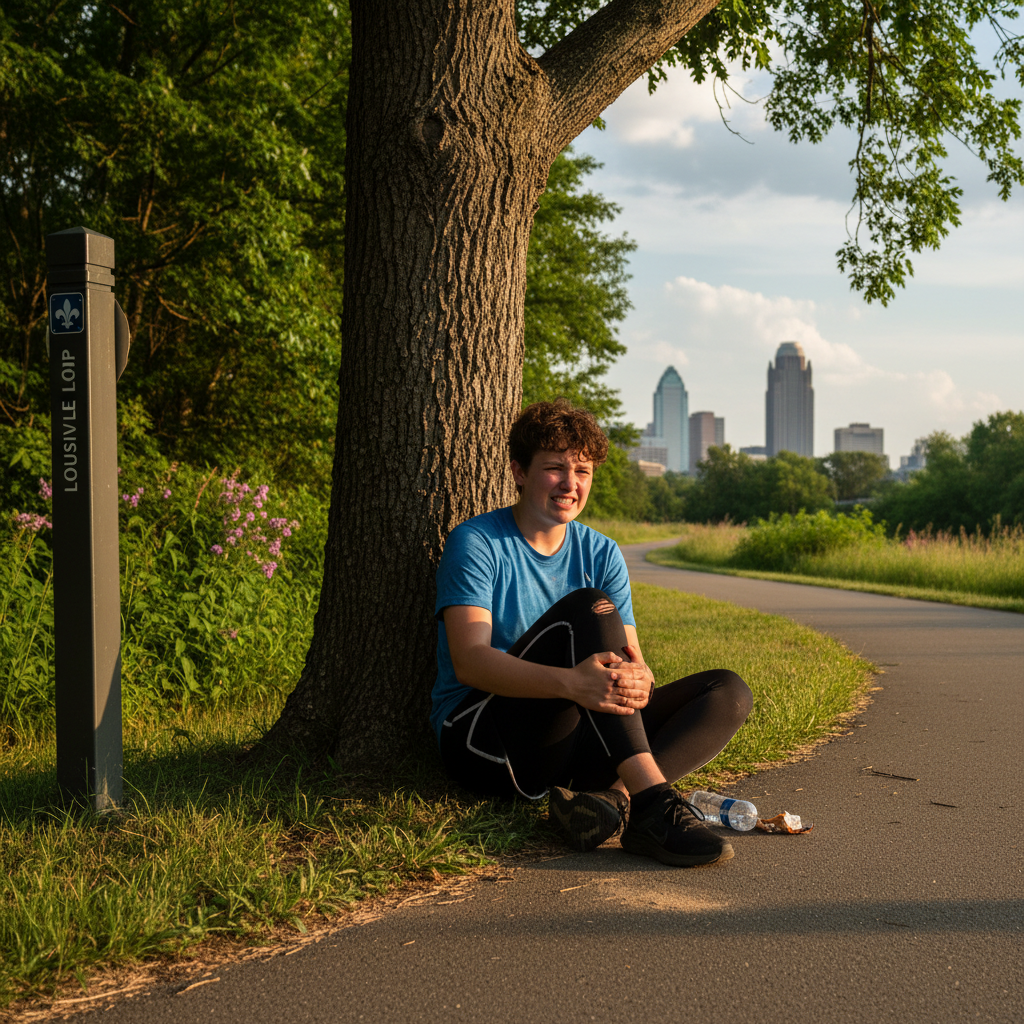
Louisville residents are active. Whether it’s running the loop at Cherokee Park, lifting at the YMCA, working long shifts at UPS Worldport, or spending weekends at youth sports fields, this city moves. With that activity comes a predictable pattern of neck, back, and joint issues that show up in chiropractic offices across the metro area every day.
For those dealing with pain, stiffness, or injuries, understanding the most common local musculoskeletal problems — and how a movement‑focused chiropractic philosophy approaches them — can make the path to recovery much clearer.
Quick Summary
Louisville’s most common chiropractic complaints often stem from repetitive strain, workplace demands, athletic activity, and postural habits. A “movement as medicine” philosophy rooted in joint mobility, soft‑tissue balance, and functional movement can help resolve the underlying mechanics behind these injuries — not just the symptoms. This three‑pillar approach addresses the root cause of pain and helps Louisvillians return to work, sport, and daily life more confidently.
1. Low Back Pain From Standing, Lifting, or Long Workdays
Louisville’s workforce includes thousands of people who spend long hours on their feet, lift repetitively, or sit for extended periods. UPS, Norton Healthcare, Ford, and Jefferson County Public Schools all have roles that put predictable stress on the lumbar spine.
Common causes include:
- Repetitive lifting or bending
- Standing on hard surfaces for long hours
- Prolonged sitting at desks or in vehicles
- Weak core stability
This often leads to disc irritation, muscle tension, joint restriction, or referred pain into the hips and legs.
Using the movement‑as‑medicine model, care begins by restoring joint mobility in the lower spine and pelvis, releasing tight soft tissue, and retraining fundamental movement patterns like bending, lifting, and stabilizing. This approach helps create long‑term resilience rather than short‑term relief.
2. Cervical and Shoulder Pain From Postural Stress
Between office workers in downtown Louisville, healthcare professionals charting on computers, and parents constantly driving kids across the metro, neck and shoulder pain is incredibly common.
Typical contributing factors include:
- Forward‑head posture from screens
- Shoulder elevation caused by stress or repetitive tasks
- Cervical disc irritation
- Tight chest and upper‑trap musculature
Rebalancing the soft tissue, improving cervical and thoracic mobility, and reinforcing proper scapular mechanics can reduce pain and prevent recurrence. This is where Dr. Libert’s corrective‑exercise background blends seamlessly with chiropractic care. Strengthening the right muscles often matters just as much as adjusting the right joints.
3. Sports Injuries at Every Level — Youth, Adult, and Competitive
Louisville is a sports town. From high‑school athletics to adult rec leagues, LG&E Mini Marathon training groups, and weekend warriors at Tom Sawyer Park, injuries show up in predictable categories:
- Ankle sprains
- Knee pain from running or cutting sports
- Low‑back strain from lifting or rotational sports
- Shoulder issues from overhead activity
These aren’t injuries that respond well to passive care alone. The three‑pillar approach — Joint Mobility, Soft Tissue Balance, and Functional Movement — is ideal for athletes because it restores motion, clears soft‑tissue restrictions, and corrects movement mechanics that caused the problem in the first place.
4. Overuse Injuries From Louisville’s Active Outdoor Lifestyle
Trail runners at Jefferson Memorial Forest, cyclists on the Parklands Loop, and rowers on the Ohio River all share a similar reality: repetitive movement patterns create predictable tissue overload.
Common examples include:
- IT‑band irritation
- Plantar fasciitis
- Hip flexor tightness
- Rotational pelvis imbalance
The solution lies in more than “rest and ice.” Mobility work clears restrictions, soft‑tissue therapy restores balance, and functional exercise ensures the body can tolerate the repetitive demands of training.
5. Car Accident Injuries on Louisville’s Busy Roads
With heavy traffic on I‑64, I‑65, I‑71, and the Gene Snyder, whiplash and post‑collision injuries are common. Even low‑speed impacts can create significant soft‑tissue disruption and joint dysfunction.
Chiropractic care focusing on cervical mobility, decompression when indicated, and strategic soft‑tissue therapy can help reduce pain and restore normal neck mechanics. Functional movement helps re‑establish proper stabilization and prevents long‑term compensation patterns.
How the 3‑Pillar Movement Philosophy Applies to These Injuries
Dr. Libert’s care style emphasizes correcting the mechanics behind injury, not just treating the irritated tissues. The three pillars guide every treatment plan:
Joint Mobility
Are the right joints moving the right way? If joints are stiff or restricted, surrounding tissue must compensate — often creating pain. Restoring clean, controlled mobility is the foundation for all other improvements.
Soft Tissue Balance
Tight, overworked muscles and underactive stabilizers disrupt the body’s natural movement patterns. Soft‑tissue therapy and specific corrective exercises create balance so joints move without restriction or strain.
Functional Movement
Once mobility and balance return, the real key is teaching the body to move correctly again. Bending, lifting, rotating, stabilizing, and loading are retrained to prevent injury recurrence.
Why This Approach Works So Well for Louisville’s Most Common Injuries
Many people feel stuck between two extremes: temporary relief that doesn’t last, or aggressive interventions they’d prefer to avoid. A movement‑centered chiropractic model fills the gap. It’s conservative, effective, and focused on lasting functional change.
Whether you’re recovering from a work‑related strain, dealing with postural discomfort, managing a sports injury, or addressing chronic pain, this approach meets you where you are — and helps you move forward with confidence.
FAQ
What makes chiropractic care effective for repetitive‑strain injuries?
These injuries often stem from mobility restrictions and soft‑tissue imbalance. Addressing both simultaneously restores proper movement and reduces stress on irritated tissues.
How long does it take to see improvement?
Most patients notice improvement within a few visits, depending on injury severity and lifestyle demands.
Is chiropractic safe for athletes?
Yes. When combined with corrective exercise and soft‑tissue work, chiropractic care helps athletes recover and perform more efficiently.
Can movement‑based chiropractic help prevent future injuries?
Absolutely. By improving mobility, balance, and movement mechanics, patients learn to move in ways that reduce reinjury risk.
Should I get evaluated even if my pain is mild?
Yes. Minor symptoms often signal early dysfunction. Addressing issues early prevents bigger problems later.